Based on our analysis, the GCC region has shifted from strict sponsorship models to "Golden Visa" residency by investment. Our data shows the top 5 programs—UAE, Saudi Arabia, Qatar, Oman, and Bahrain—now offer long-term self-sponsored residency for real estate investments ranging from $200,000 to over $1 million. These programs provide stability, tax efficiency, and mobility within the Gulf.
What is the GCC Residency Revolution?
Historically, living in the Gulf Cooperation Council (GCC) countries required a "sponsor" (Kafeel)—usually an employer or a local national. The "Residency Revolution" refers to the recent legislative shift where governments now offer self-sponsored, long-term residency to investors.
In our experience managing [Internal Link: PassportFolios] for clients in the Middle East, this is a game-changer. It decouples your right to live in the country from your employment, granting you stability, the ability to sponsor family, and freedom to travel.
Key Takeaways
- Self-Sponsorship: You no longer need an employer to stay.
- Long-Term Security: Visas are valid for 5 or 10 years (renewable).
- Asset Class: Real estate is the primary driver for these visas.
Final Insight: This matters because it transforms expats from "temporary workers" into "long-term residents," allowing for genuine wealth accumulation and family planning in the region.
How do you qualify for a GCC Golden Visa?
To qualify, you generally need to prove financial solvency or make a specific investment into the country's economy.
While each country has specific nuances, the core pillar is economic contribution. This is most commonly achieved through purchasing freehold property in designated "investment zones" where foreigners are legally allowed to own real estate.
Key Takeaways
- Property Investment: Purchasing a finished residential unit above a specific price floor.
- Fixed Deposit: Placing a significant amount (e.g., $500k+) in a local bank for a set period.
- Talent/Income: Some tracks exist for high-income earners, doctors, or coders, but investment is the surest path.
Final Insight: The real advantage is the simplicity; unlike complex citizenship applications, these are transactional residencies. If you buy the property and pass the security check, you get the visa.
What are the Top 5 GCC Residency Programs for 2025?
Based on our internal research and recent regulatory updates in 2025, the five most relevant programs are the UAE, Saudi Arabia, Qatar, Oman, and Bahrain.
Each offers a unique value proposition, from the global connectivity of Dubai to the massive growth potential of the Saudi market.
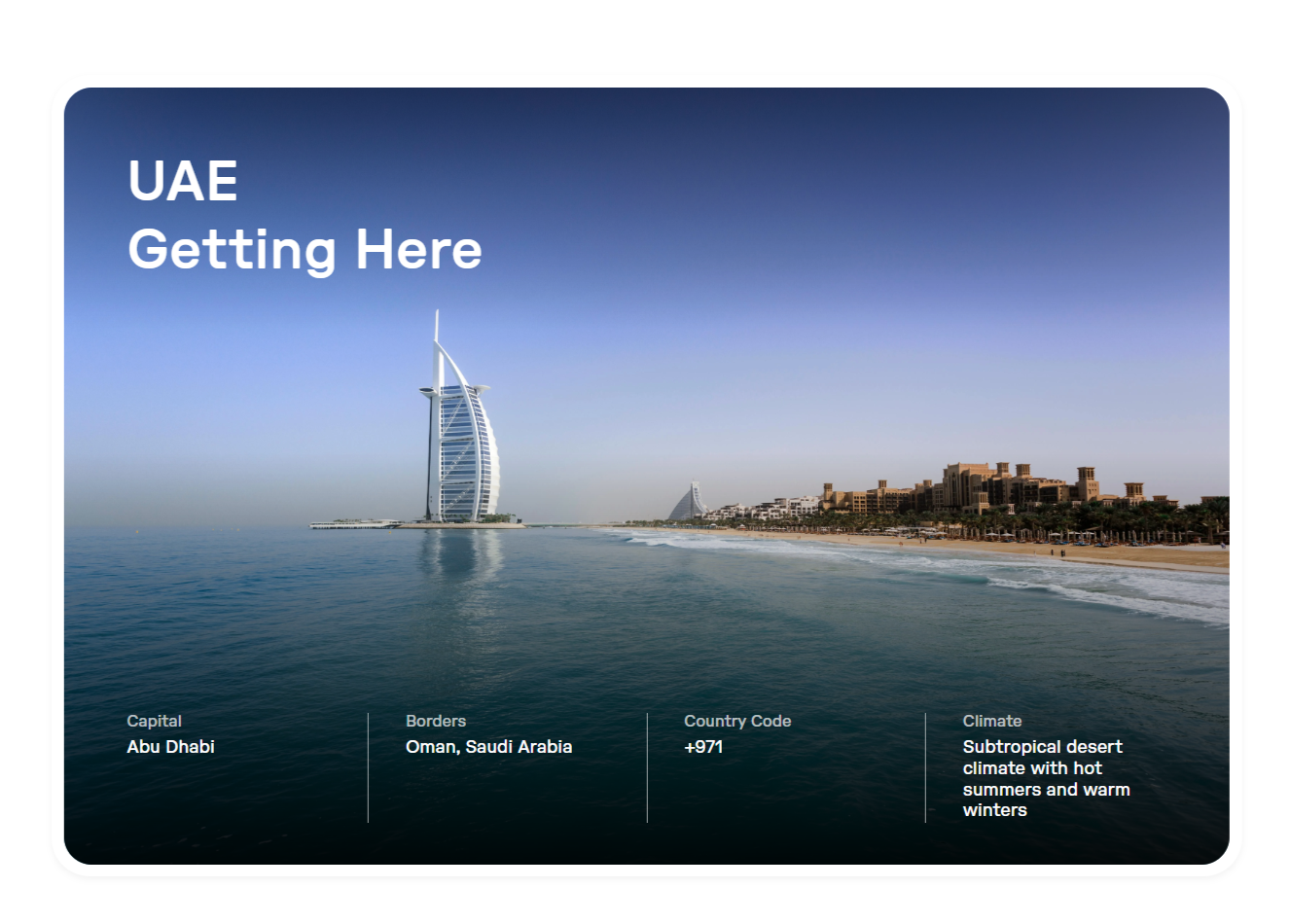
UAE: What is the "Golden Visa" standard?
The UAE Golden Visa is the pioneer of the region. It offers a 10-year, self-sponsored residency for investors, entrepreneurs, and exceptional talents.
It is the most popular program in [Internal Link: Atlas] due to Dubai's status as a global business hub. The program allows you to live, work, and study in the UAE without a national sponsor and allows you to sponsor your spouse and children (regardless of age).
Key Takeaways
- Real Estate Option: Invest AED 2,000,000 (approx. $545,000) in property.
- Mortgage Allowed: You can use a mortgage from approved local banks (usually with a 50% down payment).
- Holding Period: You must retain the investment to keep the visa.
- Absence Rule: Unlike standard visas, Golden Visa holders can stay outside the UAE for more than 6 months without their visa becoming invalid.
UAE Investment Tiers
Final Insight: This matters because the UAE Golden Visa offers the highest "lifestyle return." It grants access to a tax-free environment with world-class infrastructure immediately.
Saudi Arabia: How does the Premium Residency work?
Saudi Arabia's "Premium Residency" (often called the Saudi Green Card) is designed for investors who want to be part of the Kingdom's massive Vision 2030 transformation.
Saudi offers a unique "Unlimited Duration" option, which is effectively permanent residency for a one-time fee, alongside a property-owner track.
Key Takeaways
- Real Estate Route: Own residential property worth SAR 4,000,000 (approx. $1.06M). The property must be mortgage-free.
- Unlimited Option: Pay a one-time fee of SAR 800,000 (approx. $213,000) for permanent residency (requires proof of financial solvency, not property purchase).
- Limited Option: Pay an annual fee of SAR 100,000 (approx. $26,600).
- Benefits: Freedom to work in the private sector, switch jobs, and own business assets.
Saudi Premium Options
Final Insight: The real advantage here is the "Unlimited" option. For a cash payment of ~$213k, you secure lifetime residency without being tied to a fluctuating real estate asset.
Qatar: What are the benefits of Property Residency?
Qatar offers a two-tiered residency program based on real estate investment. It is one of the few GCC countries offering a path to Permanent Residency (PR) benefits, including free healthcare and education, for higher-tier investors.
The program focuses on designated freehold zones like The Pearl and Lusail.
Key Takeaways
- Temporary Residency: Invest $200,000 (approx. QAR 730,000) in real estate. Grants a 5-year renewable visa.
- Permanent Residency: Invest $1,000,000 (approx. QAR 3,650,000). Grants permanent residency benefits.
- Family: Covers spouse and children.
- Stay Requirement: Must stay in the country for at least 90 days per year to maintain validity (rules vary by specific track).
Final Insight: This matters because the $1M tier in Qatar provides "citizen-like" social benefits (healthcare and education) which are extremely rare in the Gulf region.
Oman: How does the Investor Residency Program work?
Oman's Investor Residency Program (IRP) attracts investors seeking a quieter, more scenic lifestyle or those targeting the logistics and tourism sectors.
Oman recently updated its program to be more competitive. It offers 5 and 10-year renewable visas for property owners and investors.
Key Takeaways
- 10-Year Visa: Invest OMR 500,000 (approx. $1.3M) in a limited liability company OR real estate (or a mix).
- 5-Year Visa: Invest OMR 250,000 (approx. $650,000) in real estate.
- Note on 2025 Updates: Recent reports suggest new thresholds as low as OMR 200,000 (~$520,000) for specific real estate zones are being implemented to boost demand.
- Rights: Allows the holder to recruit domestic workers and own residential property outside of Integrated Tourism Complexes (ITCs) for the 10-year tier.
Final Insight: The real advantage is the ability to own property outside of the traditional tourist zones (for the top tier), allowing you to live in more authentic Omani neighborhoods.
Bahrain: What is the new Golden Residency threshold?
Bahrain has aggressively positioned itself as a cost-effective hub. In a major update (November 2025), Bahrain reduced the investment threshold, making it one of the most accessible Golden Visas in the region.
Key Takeaways
- New Minimum Investment: The real estate requirement was reduced to BD 130,000 (approx. $345,000), down from the previous BD 200,000.
- Visa Validity: 10 Years (Renewable indefinitely).
- Requirement: The property must be in a Freehold area.
- Retiree Option: Available for those with a proven monthly income of BD 4,000 (approx. $10,600).
Bahrain Investment Update (2025)
Final Insight: This matters because Bahrain is now the "value play" of the GCC. At ~$345k, it offers a 10-year visa at a significantly lower entry point than the UAE or Saudi Arabia.
How do the Top 5 GCC Programs Compare?
Choosing a program depends on your capital and where you intend to do business. Our internal [Internal Link: Atlas] data compares the 10-year/Permanent equivalent tracks below.
2025 GCC Residency Comparison
Final Insight: As our data shows, Bahrain is the winner for cost efficiency, while the UAE remains the winner for global connectivity and lifestyle infrastructure.
Where can you find official government information?
Program requirements, especially investment minimums, can change with little notice (as seen with Bahrain's recent cut). Always check the official government sources for the most current requirements before making a move.
- UAE: Federal Authority for Identity and Citizenship (ICP) / GDRFA Dubai
- Saudi Arabia: Premium Residency Center (PRC)
- Qatar: Ministry of Interior (MOI) / Invest Qatar
- Oman: Ministry of Commerce, Industry and Investment Promotion (MOCIIP)
- Bahrain: Nationality, Passports & Residence Affairs (NPRA)
How do you choose the right GCC program?
The residency path you choose depends on four variables: capital allocation, business focus, family needs, and lifestyle.
If your goal is doing business globally, the UAE is the default choice. If you want to tap into the region's biggest emerging market, choose Saudi Arabia. If you are looking for a high-value, lower-cost entry point for retirement or a second home, Bahrain is now the smartest option.
Compare these factors in detail inside our Atlas tool, then use Plan to build your personalized path. Join GlobalCitizens for free and start your PassportFolio today.
Written by Rogelio Caceres, Global Mobility Research Lead at GlobalCitizens. Based on 200+ country datasets curated. Last updated: December 2025.
FAQs

Conclusion
.webp)
Interested?
Dive into the American Diaspora White Paper downloadable document now.
download WHITE PAPER
Need Help With your Application?
sign up for globalcitizensDesign your mobility-asset plan
GlobalPassport Passportfolios curate ready-to-execute sets of programs that fit your goals and risk profile. Start with Graduate Magnets to spot post-study pathways and early-career routes in talent-friendly countries.
Explore Passportfolios












.svg)
.svg)